

Why design isn’t found in a prompt, but in toil and the creator’s “thinking hand.”
Lucasfilm and the Art of the Matte Painting
For close to 50 years, the same Star Wars story continues to expand numerous times. Yet, it still feels both refreshing and oddly familiar, like poetry. In the latest rendition of the franchise, 20-year-old subsidiary Lucasfilm Animation produced their latest animated series, Star Wars: Maul — Shadow Lord, with a raving 98% positive reviews from Rotten Tomatoes.
Beyond the great voice acting and storytelling, one clear feature stood out: the stunning visual effects, which were achieved not by the latest advanced technology of power rigs and cinematic-like sequencing but by the use of matte painting.
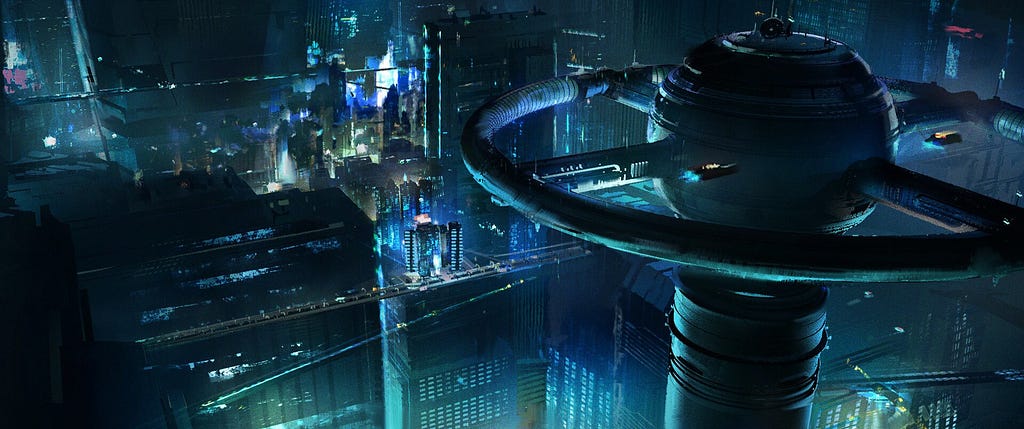
Frame by frame, whether the brush strokes were on the characters or as the background of the cityscape, viewers experienced a curated display of the gritty, noir and grungy textures of a world fitting for the character, giving a nostalgic styling back to the 70s and 90s.
“It was a complete retraining of our team to think more in the natural medium and less in the digital medium,” says Joel Aron, Director of Cinematography Lighting & VFX at Lucasfilm Animation. “That allows us a lot of freedom to kind of update matte paintings or push things farther in certain areas, as long as we’re not upstaging the story.”
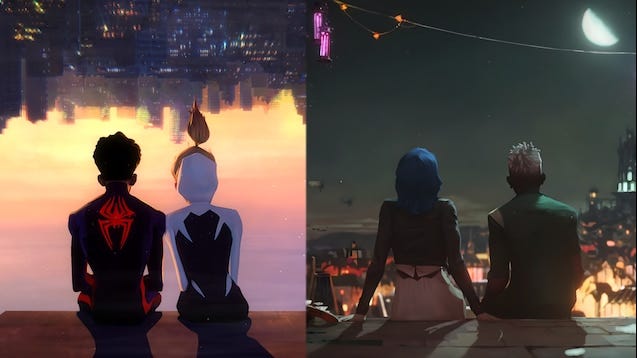
And Lucasfilm isn’t the only team that traded the smooth plastic-like appearance of a 3D environment for something more natural. We can see the influence of the modern hybrid styles of the likes of Arcane, Goat and the Spider-Verse movies in the blend of CG animation with more painterly, hand-crafted textures, each receiving its own accolades.
Shifting from Polish to Authenticity
In a world so obsessed by everything artificial, a new trend of returning back to handmade experience is emerging. Handmade can be a form of defiance for Gen Z in the face of the formless digital world and a cry for respite from the enormous noise perpetuated by the 24/7 social media cycle.
Nielsen Norman Group (NN/g) sees a similar pattern in handmade UX too. Like a pendulum, design swings between what is abstract and realistic. What used to be the debate between skeuomorphism and flat design is now the current predicament between overly polished AI-generated visuals and messier, authentic design.
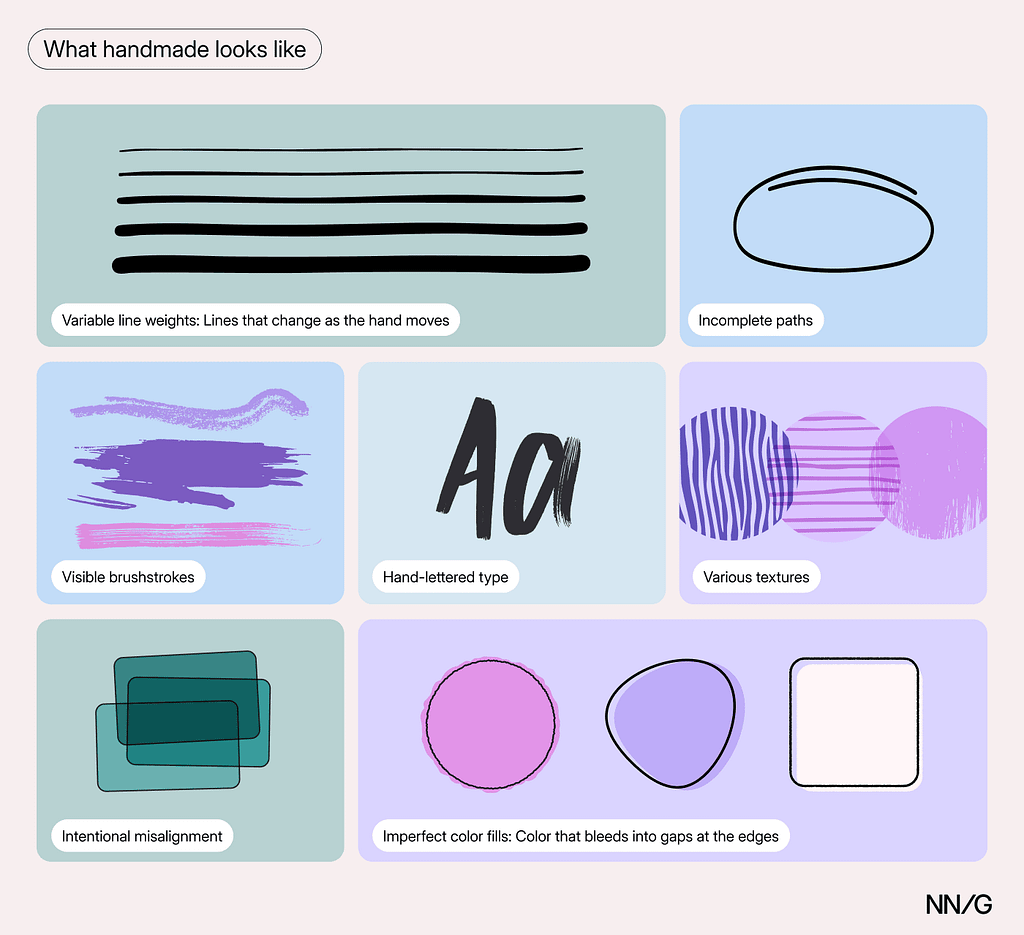
Megan Chan provides a useful definition of handmade design:
‘Handmade’ is the signal that a human is working by hand and that there’s intention and attention behind it.
She alluded to how handmade design signals trust when the user feels the warmth, authenticity and approachability of the design.
NN/g and Megan offer an enlightened view of handmade design, but their approach is ultimately superficial — a stylistic pushback against AI rather than a deeper ideological shift.
However, what’s lacking is a deeper and more illuminating aspect of why handmade design makes a more lasting impression on people than a passing fad.
We can develop an expanded view of handmade designs with 4 following observations:
1. Handmade commitment — pursuit of rigour over ease
AI is meant to make commits easy and excels at removing the “friction” of version control. It can peer into a complex Git diff, summarise hundreds of lines of logic, and instantly produce a polished, formatted commit message. It saves time and gets the job done.
That being said, sometimes, we humans actually crave knowing more about the effort. We are grateful when we enjoy an experience due to the attention to detail. We celebrate the toil that people made to produce a significant contribution to mankind. To us, hard work signifies that ‘I care about the outcome’ and that ‘I want to involve myself’.
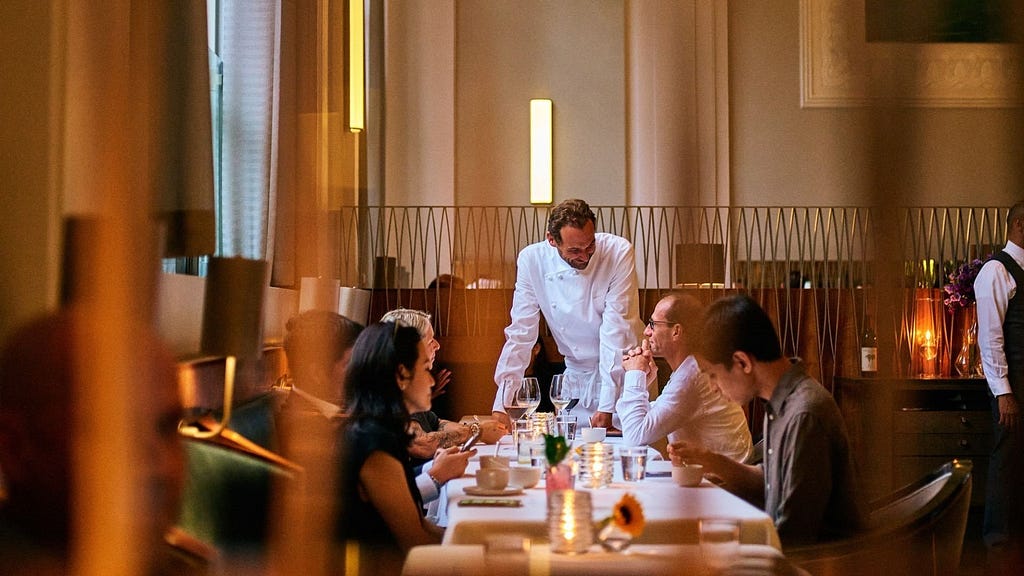
Think of top restaurants and how they not only prepare a visual delight for your meal but also make an effort to prepare the entire setting for an immersive dining experience. The same can be said about animation when the Lucasfilm team caters for every level of detailing, such that every frame is captured as a work of art. Human dedication can be felt.
Excellences in craft
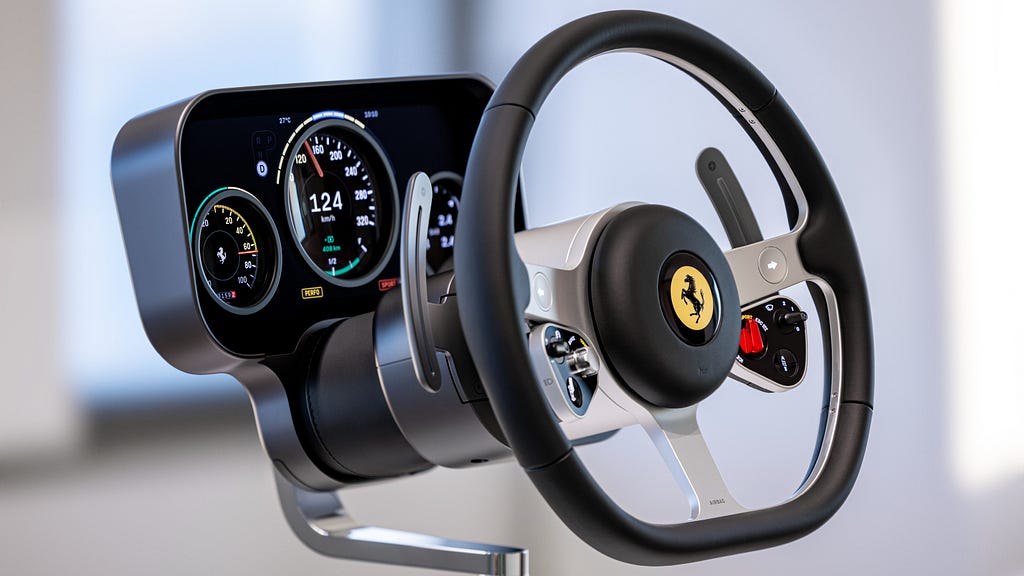
Ex-Apple chief design officer Jony Ive is an exemplar of handmade design’s philosophy of commitment. In his latest work with Ferrari, Jony demonstrated that design can be more than a flat digital surface, which was the easier but not necessarily better way.
Instead, he had presented an argument for physical and digital interfaces to coexist, each with meticulous care and treatment to thrill the experience of the Ferrari drivers. His commitment went beyond the dashboard; it included the same attention across the steering wheels, seats and key remote. Jony wasn’t trying to show ease of designing but the rigour of designing that exalts the human drive to excellence, leading to the satisfaction of drivers and Ferrari.
Ask ourselves this question: Was there a time when you decided to commit more than what was asked purely because of the pursuit of excellence in the craft?
2. Handmade connection — unifying people through shared identity
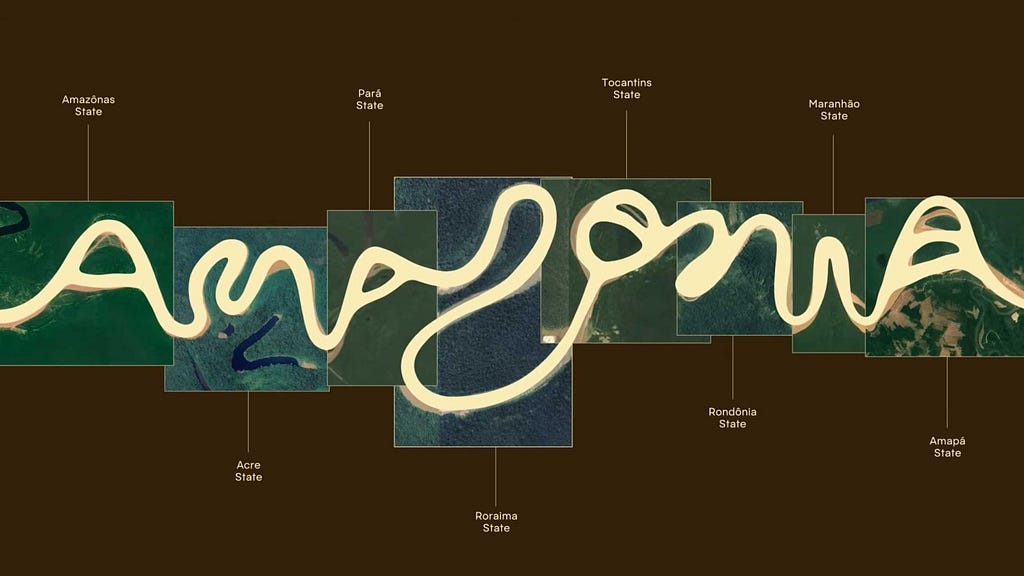
The new Amazon brand identity broke the cycle of standard AI news, exploding across social media. Developed by FutureBrand São Paulo, RAI, and Embratur, the project stands out for its cultural complexity, bringing nine different states into one cohesive vision for Brazilian tourism.
Titled Amazonia, the team set a new standard of destination branding with the use of a vibrant logo design inspired by the famed rivers in Brazil. This impressive work relied on deep collaboration with the residents, workers, and artists who define the region. The result is a compilation of websites, posters, motion design, typography, and a ‘made in Amazon’ seal applied to local Brazilian produce.
There is a certain handmade quality when you look at the Amazonia brand. Somehow, even the artistic elements, from the use of satellite imagery to the use of illustration, indicated that the design outcome was the result of a community of creatives united on the same cause to produce a uniquely distinct identity.
https://medium.com/media/32eede3fd5e906d11bf8ce2d12d7ced5/href
Measured against this human depth, it becomes clear why AI is often dismissed as soulless. While prompt engineers generated output, often as lone operators, void of any meaningful association, the Amazonia team observed possibilities, and did so knowing that the river as the key element represented the livelihood of the people thriving in it. It’s about research, context and social connection.
Ask ourselves this question: To what extent do you draw inspiration from others and unify their ideas with your design? Did your design flourish through shared collaboration?
3. Handmade cognition — the power of the thinking hand
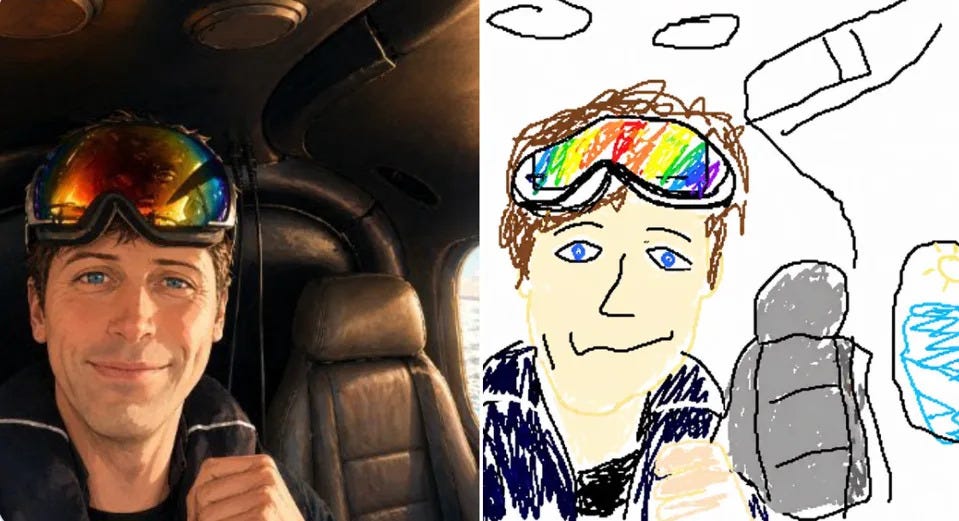
If 2025 was the year OpenAI “Ghibli-fied” the world by stripping Studio Ghibli’s IP to mask your face, 2026 is the year it “MS-Painted” everything. With Image 2.0, OpenAI isn’t just stealing art. It’s stealing your childhood memories.
Why did the MS Paint aesthetic go viral? It stems from 90s nostalgia, specifically the era when users spent hours painstakingly “drawing” with a clunky mouse.
While ChatGPT can replicate that “ugly” MS Paint look in seconds, there is an irony of using AI to automate the aesthetic that completely misses the point. It bypasses the deliberate effort and creative struggle that made the original low-fi art meaningful in the first place.
Embodied Cognition
Haven’t we experienced the joy of creating something with our hands when we were children? Without any prejudice, we treated every sketch as a precious piece of work due to the effort we took throughout the process. However, more importantly, hand drawing in the moment helps us discover and solve problems.
‘Embodied cognition’ is what scientists are calling this phenomenon: the theory that the body’s physical interaction and sensory-motor systems with the world shape mental processes. In fact, Scientific American explained that “Engaging the fine motor system to produce letters by hand has positive effects on learning and memory.” This is the reason why experts are speaking up about the importance of children (and adults) handwriting words and drawing pictures.
The reverse, known as ‘cognitive offloading’, is concerning too when we outsource our skills and minds to technology. As our neuroplasticity declines through disuse, we grow more dependent on automation. We have begun using tools to hide our skill gaps instead of developing the mastery required to solve problems ourselves.
Making things with our hands is by far the closest activity of a designer. Whiteboarding (thinking by drawing on a whiteboard) precisely activates the designers to think visually, while prototyping enables designers to test their ideas by constructing from scratch for the purpose of testing ideas. Conversely, by outsourcing the “doing” to prompts and vibecoding, we short-circuit the cognitive process essential to thinking like a designer.
Even computational design godfather John Maeda thinks with his hands. Here is what he had to say when he resorted to the handmade approach:
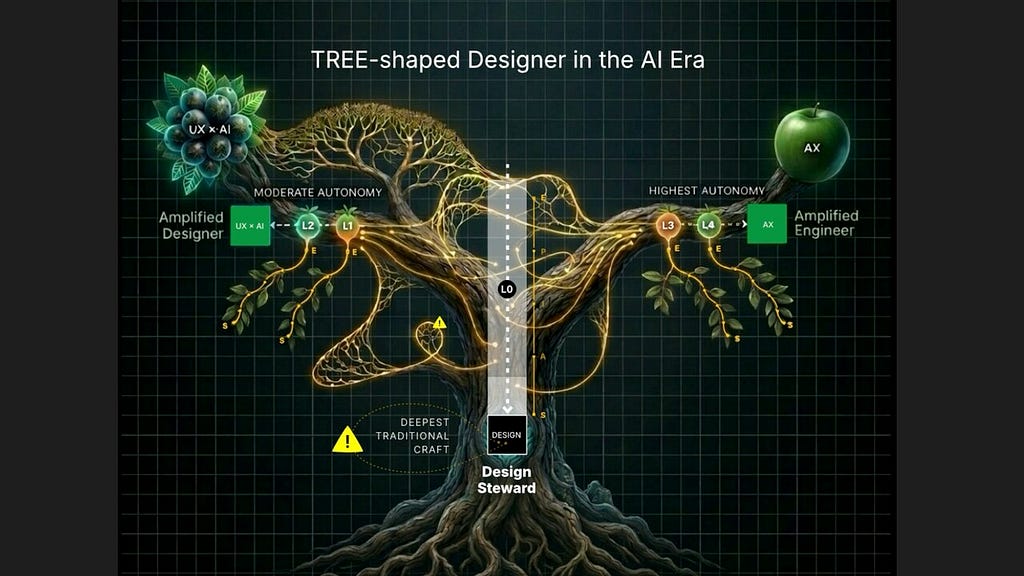
I drew the new image by hand over 40+ minutes and then used the new starting point as the context for image generation. And it turned out “good enough” to move on from this idea space. In the process, I got to think deeper about the concept. I really like the concept of “System 3” thinking as a way to describe this approach of solving problems. — John Maeda
Ask ourselves this question: How have you been thinking as a designer? Do you rely on one approach or a variety of methods to bring out the quality of your thinking?
4. Handmade conviction — choosing vitality over tokens
There is value in the “thinking hand” in those slow, deliberate moments where we connect as a community and strive for hard-won excellence. It is certain that the creator of Star Wars, Maul, did just that for themselves and for their fans. By doing so, they made their designs come alive.
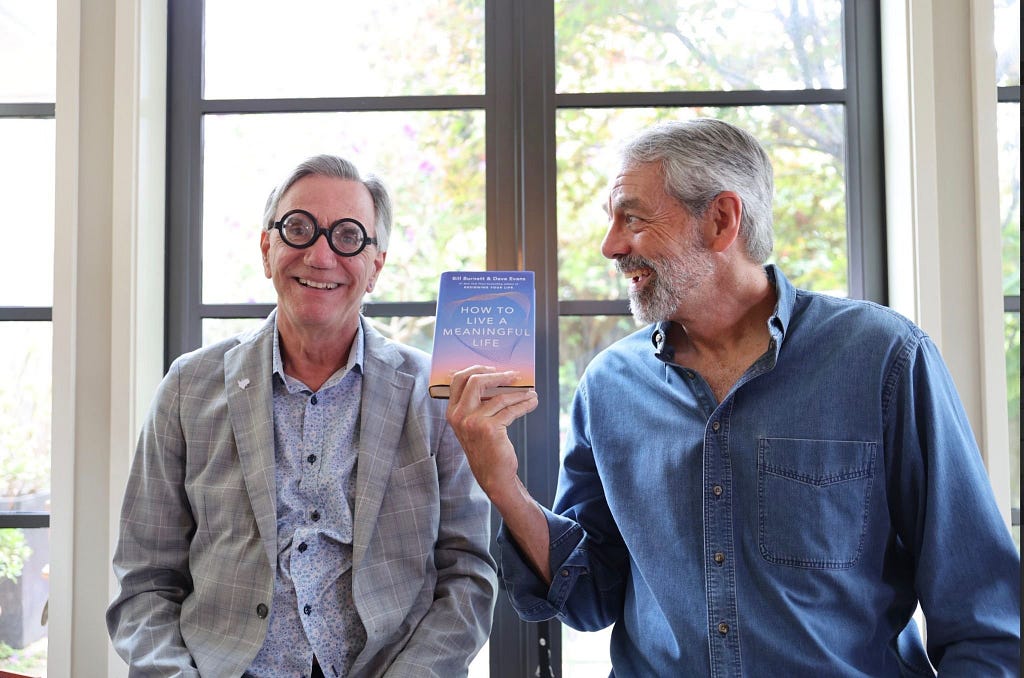
In their latest book, How to Live a Meaningful Life Using Design Thinking, acclaimed authors Bill Burnett and Dave Evans touch on the psychological aspect of staying alive by living fully in the moment, as compared to getting something done to achieve an outcome.
Flow vs transactional
While inherently impactful, the transactional world is challenging and short-lived. The tradeoff is a sense of losing reality or missing out on participating in the process, which offers intangible benefits to the designer.
AI is exactly causing the rift in meaning-making as designers get disconnected with the work. They are no longer feeling the craft with time but relying on a machine to produce the results in seconds while they multitask with other prompts or emails.
The opposite is experiencing life in a flow world, where instead of driving towards outcomes, we desire to be here now in the awakening brain, where every behaviour can be fully felt and appreciated as part of the process. Akin to meditation, flow brings out the best insights in the important sensations we cling on to.
Ultimately, handmade design brings us back to a fundamental point:
If we automate “handcrafted” styles like MS Paint or sketchy aesthetics, we lose the very thing that makes them valuable: the joy and presence of the person who actually made them.
We as designers can accept what is worth automating away as a transaction and fight for the ideals that make us who we are. That’s how we continue to stay alive in this AI world.
Ask ourselves this final question: Have you been feeling dead these past few months? Perhaps we have traded our flow state for a world that is merely transactional and tokenised. If so, when will you start feeling alive with your hands again?
May 4th is a special day for me. As a kid, I was always amazed by the wizardry of the Star Wars movies, so when I learned that there is a special date commemorating Star Wars, I took the writing challenge to write something about Star Wars around this period. Take a look at my last article about being a rebel, the article about story-making, the article about the war on stars, and May the Fourth be with you.
References
Burnett, B., & Evans, D. (2026). How to Live a Meaningful Life. Simon and Schuster.
Chan, M. (2026, April 10). Handmade Designs: The New Trust Signal. Nielsen Norman Group. https://www.nngroup.com/articles/handmade-designs/
Dellinger, A. (2026, April 30). OpenAI’s New Image Generator Is Trying to Take Your 6-Year-Old’s Job. Gizmodo. https://gizmodo.com/openais-new-image-generator-is-trying-to-take-your-6-year-olds-job-2000752685
FutureBrand. (2026). The Brazilian Amazon. FutureBrand. https://www.futurebrand.com/our-work/amazonia
Hu, C. (2024, February 21). Why Writing by Hand Is Better for Memory and Learning. Scientific American. https://www.scientificamerican.com/article/why-writing-by-hand-is-better-for-memory-and-learning/
Maeda, J. (2026, March 14). THE 🌳 TREE-SHAPED DESIGNER: Correction to my earlier T-shaped designer diagram for the #DesignInTech Report 2026. LinkedIn. https://www.linkedin.com/posts/johnmaeda_designintech-designintech-activity-7438710245465612289-ObQC
Seastrom, L. (2026, April 7). Welcome to Janix: Building Lucasfilm Animation’s New World for Star Wars: Maul — Shadow Lord. StarWars.com; Disney News. https://www.starwars.com/news/star-wars-maul-shadow-lord-making-of-janix
Rethinking design with your hands in the AI world was originally published in UX Collective on Medium, where people are continuing the conversation by highlighting and responding to this story.


